Online IFS Therapy (Parts Work): What It Is and What to Expect
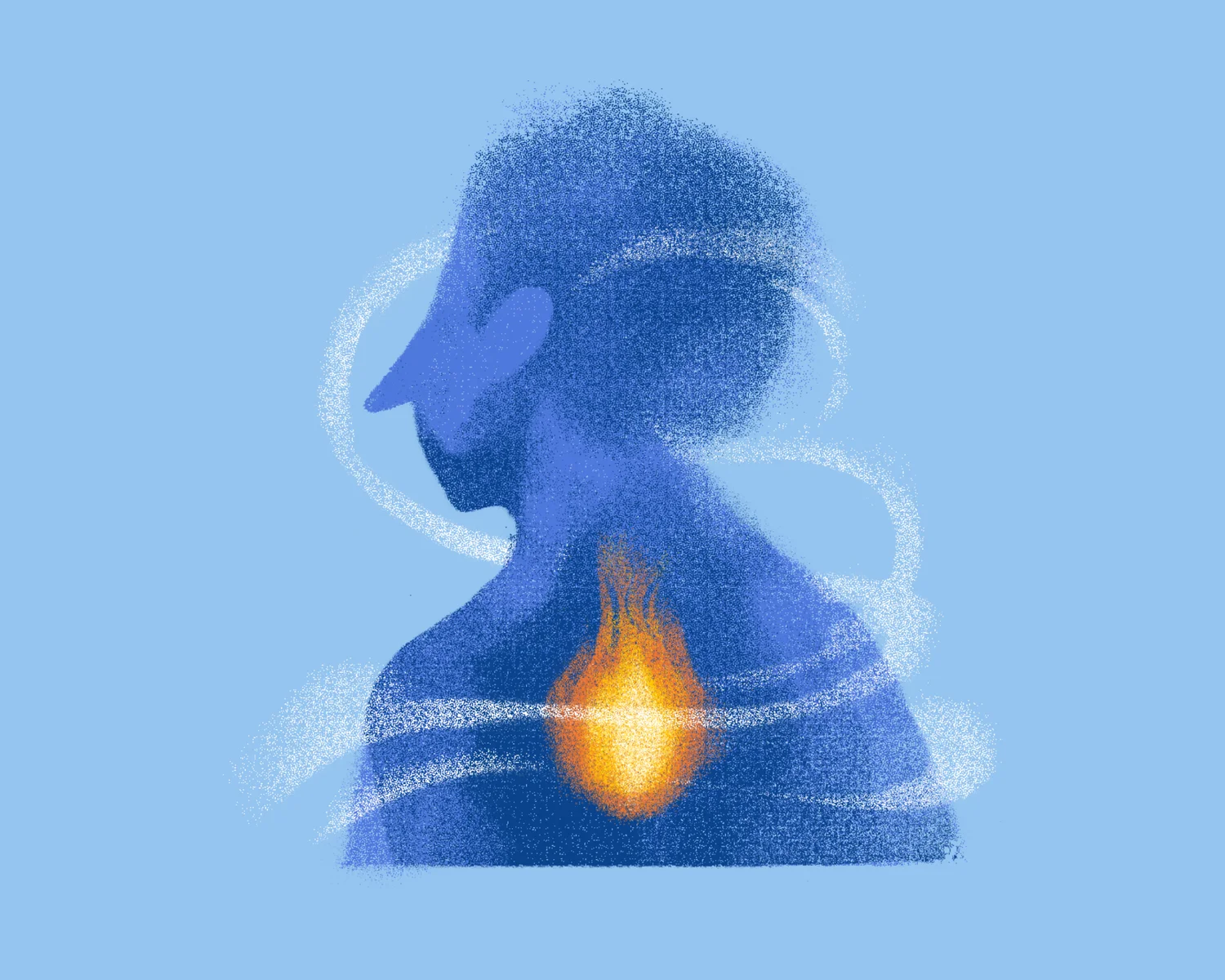
Ever caught yourself saying, “part of me wants to go, and part of me wants to stay”? Or “a part of me is so hard on myself”? That way of talking is the starting point for something called Internal Family Systems, or IFS for short, and people often just call it parts work.
Below, I explain in plain words what it is, share a short exercise you can try at home, and tell you how I use it with clients online.
Curious whether parts work might suit you? Try the free quiz, which shows how your answers lean across DBT, parts work, EMDR and an integrative approach.
What is IFS (parts work)?
IFS is a way of understanding the mind as made up of different “parts”, each with its own feelings, beliefs and role. IFS treats these parts as a natural part of being human, and not as a sign that something is wrong. Each one is trying to help you in its own way, even when its way causes difficulty.
You don’t have to believe you literally have separate people inside you. “Parts” is a helpful way of talking about the different sides of us. In therapy, we get to know these parts with curiosity and compassion, and understanding what each one is trying to do often changes how you relate to it.
The main ideas
Parts. Everyone has them. A part might be the one that works hard, the one that worries, the one that wants to rebel, or the one that feels small.
Protectors. Some parts have the job of keeping you safe. IFS describes two kinds. Managers try to keep life under control by planning, achieving, pleasing people or criticising you before anyone else can. Firefighters step in quickly when painful feelings break through, with things such as numbing out, anger, overeating, scrolling or throwing yourself into distraction. Protectors can be exhausting, but their intention is to protect.
Exiles. These are parts that carry pain, often from earlier experiences, and that are pushed out of awareness. A lot of what protectors do is about keeping these parts from being felt.
Self. IFS suggests that beneath all the parts, everyone has a core Self that is calm, curious and compassionate. It is not another part. The aim of therapy is not to get rid of any part, but to help you lead from this steadier place, so that your parts can relax and trust you. People often describe the qualities of Self as calm, curiosity, clarity, compassion, confidence, courage, creativity and connectedness.
Where it comes from
IFS was developed by Richard Schwartz, a family therapist, starting in the 1980s. He noticed that his clients kept describing their inner worlds in terms of parts that related to each other much as members of a family do, with alliances, conflicts and burdens. That is where the name comes from.
An exercise to try: meeting a part
This takes about five minutes. Choose a quiet moment.
- Settle. Sit comfortably, feel your feet on the floor and take a few slower breaths.
- Pick something mild. Choose a small, everyday reaction, not the most painful thing in your life. For example, the part of you that criticises, the one that procrastinates, or the one that keeps checking your phone.
- Notice it. Where do you feel it in your body? Is there an image, a word, a feeling or a tone of voice that goes with it?
- Get curious. Quietly ask: “What are you trying to do for me?” Then, “What are you afraid would happen if you stopped?” Listen for whatever comes, without arguing or fixing.
- Thank it. Even if you don’t like what it does, you can say: “Thank you for trying to protect me.”
- Come back. Look around the room, notice five things you can see, and take a few breaths. You might jot down a line or two about what you noticed.
Please go gently. Start with something mild. If it brings up strong feelings or memories, or you start to feel overwhelmed, stop, come back to the room, and look at five things around you. Deeper or more painful parts are best met with support, not alone. This exercise is not a substitute for therapy, and if you are in crisis, please contact a local emergency service.
What parts work is not
- It is not about getting rid of parts. Every part is welcome, even the ones you wish were quieter.
- It is not a belief that you have multiple personalities. It is a way of making sense of the normal complexity of the mind.
- It is not about forcing you to talk about painful memories. You set the pace.
How I use it
I don’t use IFS on its own, and I don’t follow a fixed programme. I draw on a mix of DBT skills, parts work and body-based work, and the balance changes from person to person. A lot of the work happens through our relationship and the feeling of safety within it.
In practice, parts work often comes in when we are making sense of what has come up. Some clients like to alternate EMDR processing sessions with talking sessions in which we explore their parts and what the processing stirred up. You can read more about how I work with online trauma therapy and EMDR for complex trauma.
I go at the pace your body is comfortable with. If a part of you doesn’t want to go somewhere, that is important information, and I won’t push past it.
Common questions
Do I need to know what my parts are? No. We work it out together as we go.
Can parts work be done online? Yes. Parts work is mostly attention and conversation, so it can be done by video, from wherever you feel comfortable.
Will it bring up difficult memories? We go at your pace. We build safety and tools first, and getting to know your reactions gently is often where we start.
Is this right for you?
I would encourage you to book a free call if:
- you often feel pulled in two directions, or very hard on yourself
- you want to understand why you react the way you do
- you want a therapist who adapts to you instead of following one method
- you want to work in English, online, from Spain, the UK or elsewhere in Europe, or while travelling
Not sure which approach suits you? Take the free quiz.
You can see my fees before you decide anything.
This article is general information and isn’t a substitute for individual professional advice. If you’re in crisis, call 112 (UK and EU) or Samaritans on 116 123.